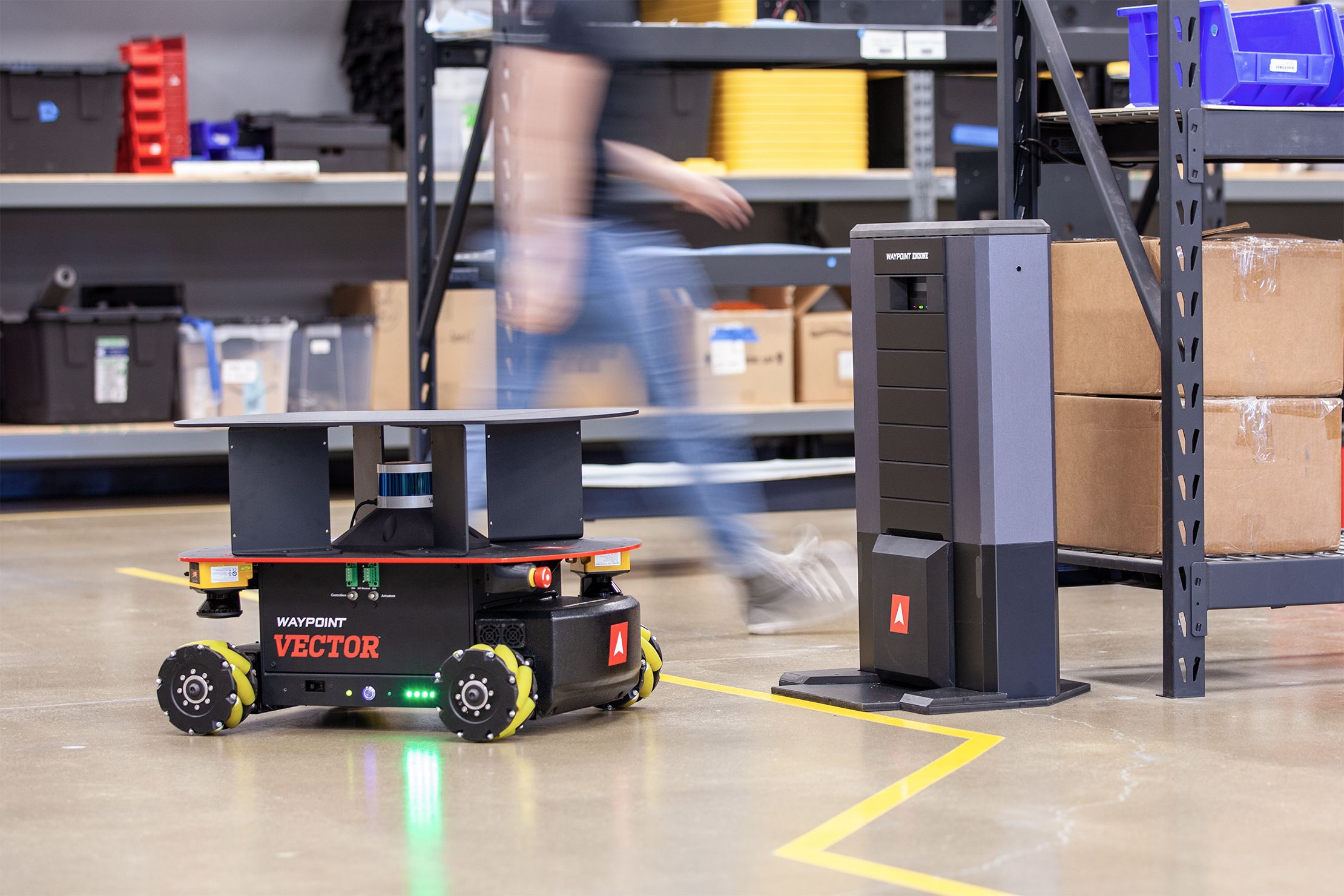


Mecka AI is addressing the critical need for robust training data in robotics by collecting and analyzing human motion data. This approach is fundamental to advancing the capabilities of humanoid robots and other robotic systems.
What is Mecka AI and why does its development matter?
Mecka AI is a startup focused on gathering and analyzing human motion data. This data is then used to train various types of robots, including humanoid robots. The company finances its operations by paying individuals to record themselves performing everyday tasks. This development is significant because high-quality, diverse datasets of human movement are essential for robots to learn and replicate complex actions accurately and safely in real-world environments. Without such data, robots would struggle to interact naturally or efficiently with their surroundings or human counterparts.
How Robot Training with Human Data Works
The process begins with human participants recording themselves performing a variety of daily activities. This could range from simple actions like pouring a glass of water to more intricate tasks involving tool use or navigation. Mecka AI collects this raw motion data, which likely includes kinematic information (joint angles, positions, velocities) and potentially other sensory data.
Once collected, the data undergoes analysis to extract meaningful patterns and behaviors. This processed data then serves as input for machine learning models used to train robots. During training, the robots' control systems learn from these human examples, aiming to mimic the observed motions and achieve similar outcomes. This iterative process allows robots to develop a more nuanced understanding of how to perform tasks in a human-like manner.
Practical Uses and Limitations
The practical applications of this technology are far-reaching. Robots trained on human motion data could be deployed in manufacturing for assembly tasks, in logistics for handling diverse packages, or in service industries for assisting with daily chores. The goal is to enable robots to perform tasks that currently require human dexterity and cognitive understanding, thereby enhancing automation and efficiency across various sectors. For example, a robot could learn to set a table by observing a human, rather than being explicitly programmed for each step.
However, there are limitations. The quality and diversity of the collected human data are paramount. If the data is biased or incomplete, the robots' performance will suffer. Additionally, transferring learned behaviors from human motion to a robot's distinct physical kinematics can be challenging. Real-world environments are also dynamic, and robots need to generalize learned behaviors to novel situations, which still presents a significant research hurdle. While human data provides a strong foundation, analysis suggests robots will still require advanced perception and decision-making capabilities to adapt to unforeseen circumstances reliably.
Mecka AI's recent $60 million funding from Sequoia underscores the investor confidence in this data-driven approach to robotics, highlighting the growing recognition of the need for robust human motion datasets to accelerate robot development. This funding will likely enable Mecka AI to scale its data collection efforts and further refine its analytical tools, pushing the boundaries of what robots can achieve through imitation learning.