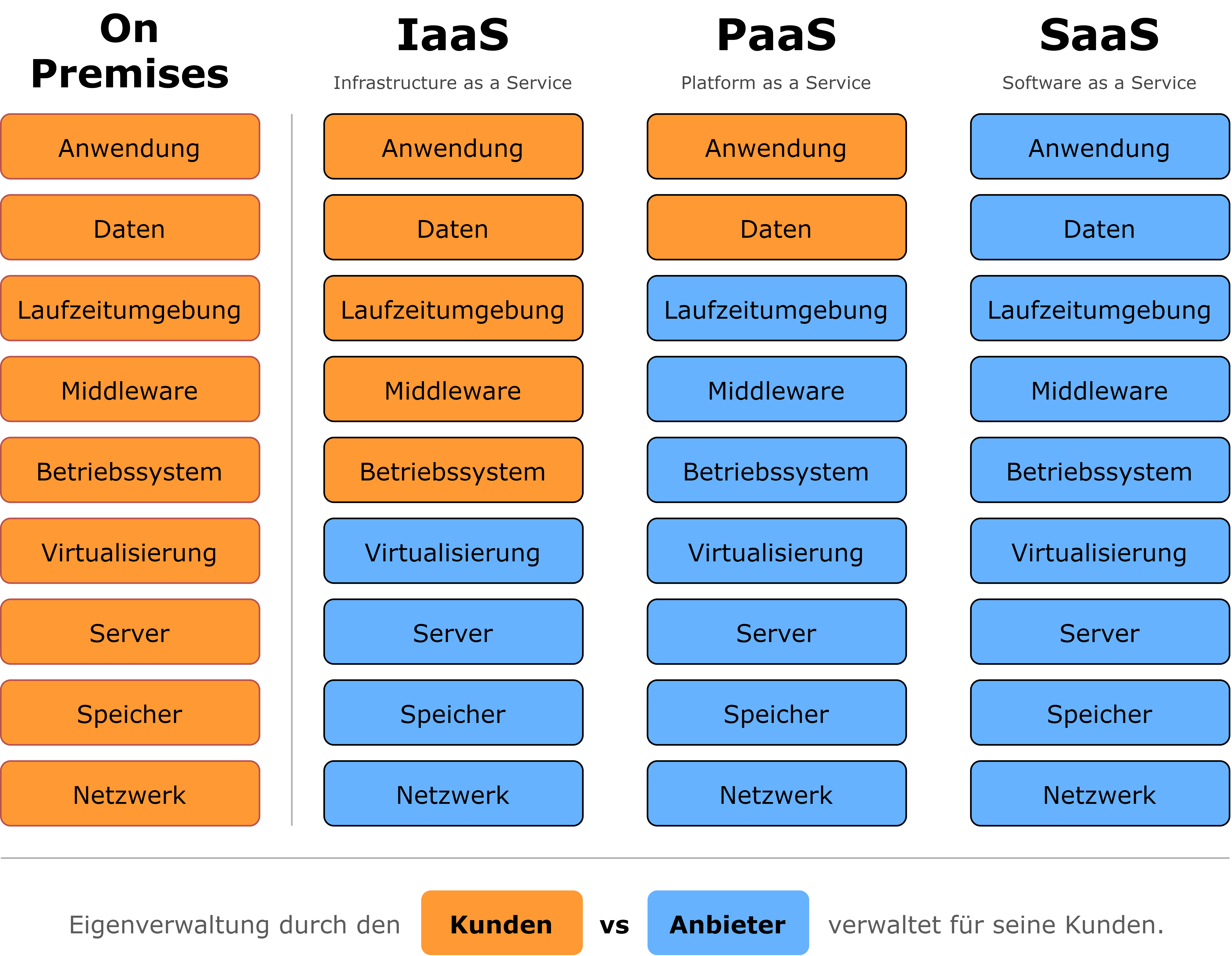


AWS Professional Services is enhancing cloud migration processes by implementing a multi-agent framework built on Amazon Bedrock AgentCore. This innovative approach aims to automate various stages of enterprise cloud migrations, significantly reducing the time traditionally spent on tasks like infrastructure as code (IaC) development.
The core problem this development addresses is the complexity and time-consuming nature of large-scale cloud migrations. Manually handling discovery, creating infrastructure as code, ensuring portfolio governance, and managing post-migration operations can span weeks, requiring substantial human effort and expertise. By leveraging agentic AI, AWS seeks to streamline these processes and enhance efficiency.
How Agentic AI Transforms Cloud Migrations
Agentic AI refers to AI systems designed to act autonomously to achieve specific goals, often by interacting with their environment and other agents. In the context of cloud migrations, this means deploying specialized AI agents, each responsible for a distinct part of the migration lifecycle. These agents work collaboratively within a framework to execute complex tasks that traditionally require human intervention.
Amazon Bedrock AgentCore provides the foundation for building and orchestrating these AI agents. It allows for the creation of purpose-built agents that can understand natural language requests, break them down into actionable steps, and then execute those steps by interacting with various AWS services and external tools. This capability is crucial for automating end-to-end cloud migration workflows.
Key Steps in an Automated Cloud Migration
The multi-agent framework on Amazon Bedrock AgentCore addresses several critical phases of cloud migration:
1. Discovery: Specialized agents are tasked with analyzing existing on-premises infrastructure and applications. They identify dependencies, resource configurations, and performance metrics. This initial phase is vital for understanding the migration scope and planning the target cloud environment accurately.
2. Infrastructure as Code (IaC) Generation: Once the discovery phase is complete, other agents automatically generate the necessary IaC. This IaC defines the cloud resources—such as virtual machines, databases, networking components, and security groups—required to replicate or modernize the applications in the AWS cloud. This is where the most significant time savings are realized, reducing development time from weeks to mere minutes.
3. Portfolio Governance: Agents also play a role in ensuring compliance with organizational policies and best practices. They monitor the generated IaC and deployed resources to confirm they align with governance standards, security requirements, and cost optimization guidelines. This proactive governance helps prevent misconfigurations and maintains a secure and efficient cloud environment.
4. Post-Migration Operations: After the migration, agents can continue to assist with operational tasks. This includes monitoring resource health, optimizing performance, and automating routine maintenance tasks. This continuous operational support ensures the migrated applications run smoothly and efficiently in the cloud.
Practical Applications and Benefits
The immediate practical use of this agentic AI framework is to accelerate enterprise cloud migrations. For large organizations with hundreds or thousands of applications, the ability to automate IaC generation and other complex tasks can drastically cut down migration timelines and associated costs. This allows businesses to realize the benefits of cloud computing—such as scalability, flexibility, and reduced operational overhead—much faster.
Beyond speed, improved accuracy and consistency are significant benefits. Automated processes are less prone to human error, ensuring that cloud environments are provisioned correctly and adhere to predefined standards. This leads to more reliable and secure cloud infrastructure.
Limitations, however, exist. While agentic AI can automate many aspects of migration, complex edge cases or highly customized legacy systems might still require human oversight and intervention. The initial setup and training of these AI agents, along with defining precise rules and policies, require expertise. The quality of the automated output heavily depends on the comprehensiveness and accuracy of the input data and the sophistication of the AI models powering the agents. Furthermore, continuous monitoring and refinement of the agents' performance are necessary to adapt to evolving cloud technologies and business requirements.
This development represents a significant step forward in leveraging AI for IT operations, particularly in the demanding field of cloud migration. By abstracting away much of the manual effort, businesses can focus more on innovation and less on the mechanics of infrastructure management.